Dental Implants Bakersfield CA: Cost, Process, and Recovery Explained
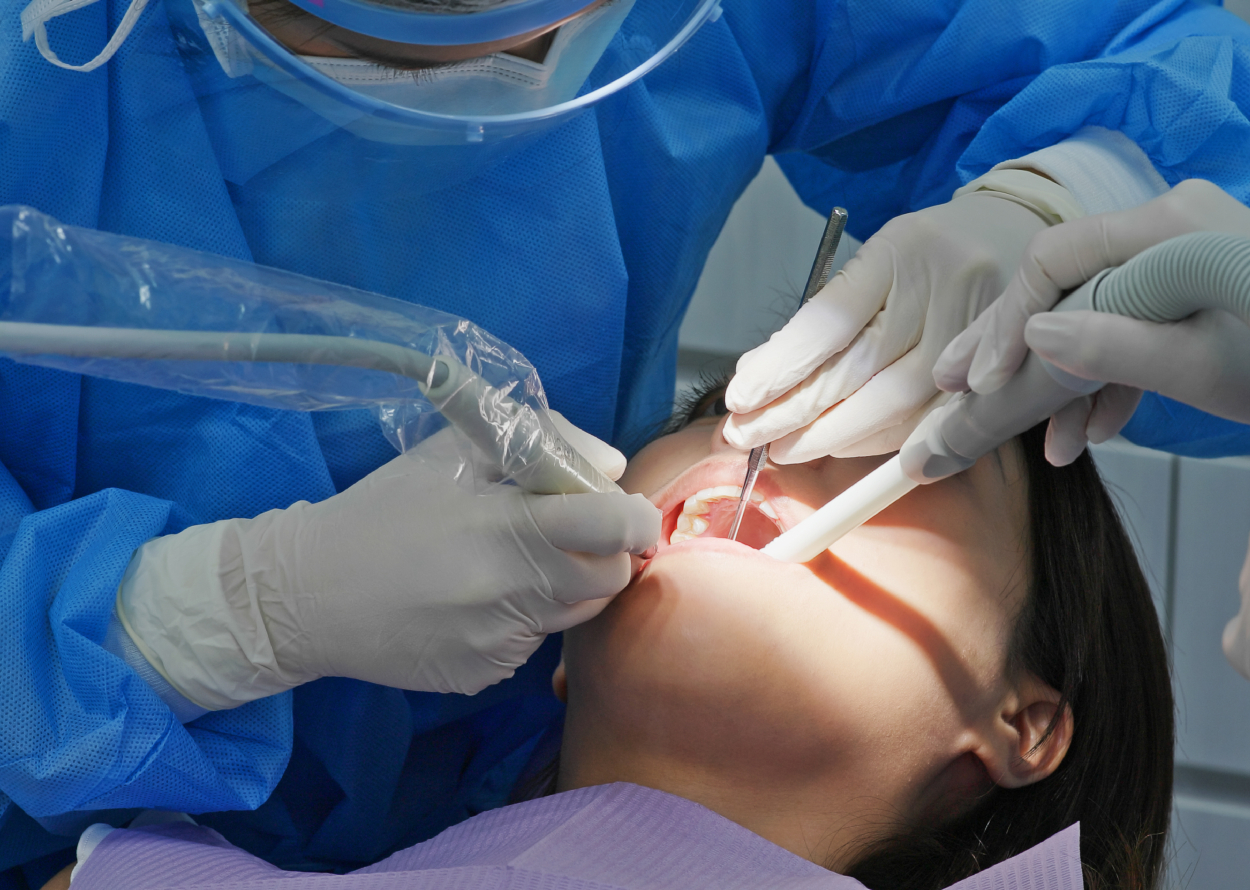

Missing teeth change more than a smile. They alter how people chew, how they speak, and often how confident they feel in a room. I have seen patients adapt in surprisingly creative ways, chewing on one side for years, avoiding steak and apples, smiling with closed lips in family photos. Those habits become normal until they are not, until a loose bridge breaks, a denture rubs raw spots, or a front tooth gap starts to affect work and social life.
That is where dental implants enter the conversation. For many adults, implants are the closest thing modern dentistry has to replacing a natural tooth root and crown in a stable, long-term way. If you are researching Dental Implants Bakersfield CA, you are probably trying to sort through three practical questions. What will it cost? What actually happens during treatment? And how rough is recovery?
Those are the right questions. Implants can be life-changing, but they are not casual dentistry. They require planning, healing time, and a realistic budget. Bakersfield patients also tend to ask a fourth question that deserves attention: does the dry, hot climate or local lifestyle change anything? The answer is not dramatically, but it does matter when it comes to hydration, healing comfort, and keeping up with home care during recovery.
Why implants are different from a bridge or denture
A dental implant replaces the root of a missing tooth with a small titanium or ceramic post placed in the jawbone. After the bone heals around it, a connector and custom crown are attached. Unlike a removable denture, the implant stays fixed in place. Unlike a traditional bridge, it usually does not require grinding down neighboring teeth for support.
That difference matters biologically. When a tooth is lost, the bone in that area no longer gets regular stimulation from chewing. Over time, the jaw can shrink. Implants help preserve that bone. It is one of the reasons they often age better than alternatives, especially in areas where appearance and bite stability matter.
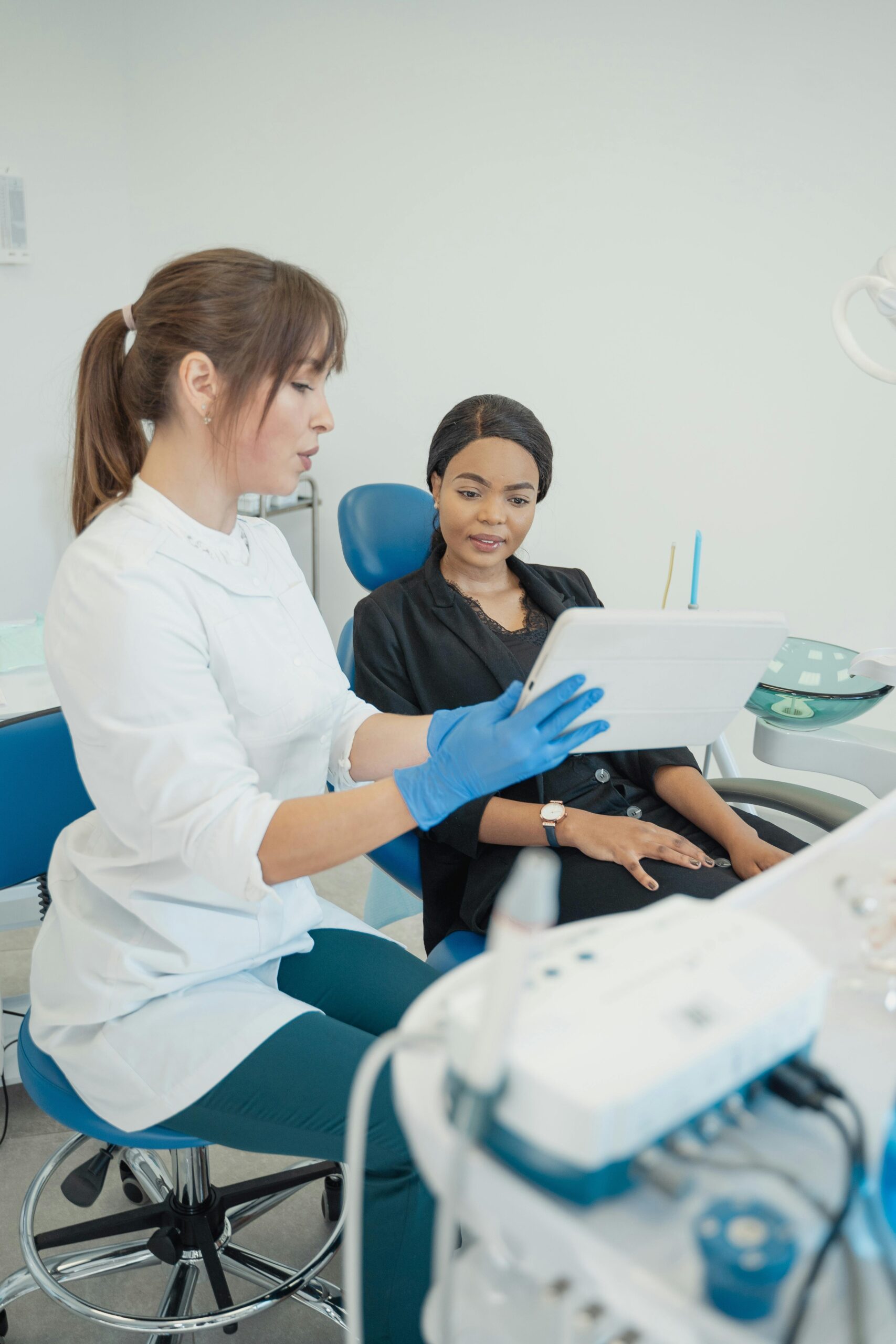
Not every patient needs implants, and not every missing tooth should automatically be replaced with one. If someone has significant medical issues, poor gum health, or limited bone, the best answer may be different. A good implant consultation should feel less like a sales pitch and more like treatment planning. The dentist should examine your gums, bite, medical history, and imaging before talking numbers.
What dental implants usually cost in Bakersfield
Cost is rarely simple because implants are not one product. They are a sequence of services, and the final fee depends on how many of those services you need.
For a single implant in Bakersfield, many patients can expect a broad range that often lands somewhere around several thousand dollars from start to finish. In real practice, the total may include the consultation, 3D imaging, extraction if the tooth is still present, bone grafting if the site is thin, the implant placement surgery, the abutment, and the final crown. If any of those pieces are billed separately, the quote will look very different from an office that bundles most of the treatment.
A straightforward single tooth case, where the bone is healthy and no grafting is needed, generally costs less than a site that has been missing a tooth for years. Long-standing gaps often mean more bone loss. More bone loss usually means more preparation. More preparation means more cost and more time.
For patients replacing several teeth, pricing can vary dramatically. Three missing teeth do not always mean three implants. In some cases, two implants can support a bridge. For a full arch, dentists may recommend implant-supported dentures or a fixed full-arch solution. Those options cost more upfront than a removable denture, but they can solve many of the fit and function problems that make conventional dentures frustrating.
What pushes the price up or down
The biggest price swings usually come from a few variables:
- whether you need extractions, bone grafting, or a sinus lift before placement
- the number of implants needed and whether they will support single crowns, bridges, or a full arch
- the type of restoration used, including standard crowns versus more complex cosmetic work
- the technology involved, such as 3D cone beam imaging or guided surgical placement
- the training and experience of the dentist or specialist handling the case
Insurance coverage is often partial at best. Some dental plans help with the crown portion but not the implant itself. Some medical plans contribute if tooth loss is tied to trauma or pathology, but that is less common and usually requires documentation. Flexible spending accounts and health savings accounts can help, and many practices in Bakersfield offer financing. Patients should ask for a written treatment estimate with the phases separated out. That makes comparison easier and reduces surprise charges later.
A practical note from experience: the cheapest quote is not always the least expensive treatment in the long run. If a case needs grafting, careful bite adjustment, or management of gum disease and those steps are skipped to make the number look lower, the financial story can become much worse later.
Who makes a good implant candidate
Most healthy adults can at least be evaluated for implants, but candidacy is not just about wanting one. The dentist wants enough bone, healthy gums, and a medical profile that supports healing.
Smoking is a big factor. It does not make implants impossible, but it increases the risk of failure and complications. Diabetes matters too, especially if blood sugar is poorly controlled. Teeth grinding can also affect planning because heavy bite forces can fracture crowns or overload implants if the case is not designed properly.
Age alone is rarely the issue people think it is. I have seen excellent outcomes in older adults who maintain their health and hygiene. On the other hand, a younger patient with active periodontal disease may need significant treatment before an implant is even on the table.
If there has been a missing tooth for a long time, bone loss does not automatically disqualify you. It simply changes the approach. Grafts, staged treatment, or alternative implant designs may be discussed. Good treatment planning is often about solving constraints, not pretending they are not there.
The process from first visit to final tooth
People are often surprised by how structured the process is. Implant dentistry moves in phases because biology sets the pace, not convenience.
The consultation and planning stage
The first visit usually includes an exam, X-rays, and often a cone beam CT scan. That 3D image shows bone width, bone height, nearby nerves, and sinus position. It is difficult to overstate how important this step is. Many of the best decisions in implant treatment happen before anything is placed.
At this stage, the dentist also evaluates the gums, neighboring teeth, and bite. If a patient has untreated gum disease, that needs attention first. Placing implants in a mouth with active inflammation is asking for trouble. If the missing tooth area is in the smile zone, the shape of the gumline also becomes a major part of planning. Cosmetic implant cases in the front of the mouth often require more precision than molar cases because even small asymmetries show.
Extraction and site preservation, if needed
If the damaged tooth is still present, it may need to be removed first. Sometimes an implant can be placed immediately after extraction. Sometimes it cannot. Whether immediate placement is possible depends on infection, bone quality, gum condition, and whether primary stability can be achieved.
When immediate placement is not ideal, the dentist may perform socket preservation with bone graft material. This helps maintain ridge shape while the area heals. That extra step can make the eventual implant placement more predictable.
Implant placement surgery
The actual surgery is often simpler than people expect. For a single routine implant, the appointment may take less than an hour once anesthesia is working. The area is numbed, the site is prepared, and the implant is inserted into the bone. Stitches may be placed, depending on the technique.
Many patients compare the experience favorably to a difficult extraction. There can be pressure and vibration during the procedure, but sharp pain should not be part of it. Sedation options vary by office and patient need. Some do fine with local anesthetic alone. Others prefer oral sedation or IV sedation, especially if they are anxious or having multiple implants placed.
Healing and osseointegration
After placement, the jawbone needs time to bond with the implant surface. This process is called osseointegration. In plain terms, the implant becomes anchored by healing bone. Depending on the location, bone quality, and whether grafting was involved, this can take a few months.
This is where patience matters. Patients sometimes feel fine after a week and assume the implant is ready for anything. It is not. The absence of pain is not the same as completed healing. Dentists who rush loading in weak bone or high-pressure bite situations take on unnecessary risk.
The final restoration
Once the implant is stable, the restoration phase begins. An abutment is attached, impressions or digital scans are taken, and the lab fabricates the crown, bridge, or denture component. The goal is not just a tooth-shaped object. It must fit the gums correctly, contact neighboring teeth properly, and distribute bite forces in a way that protects the implant.
A well-made implant crown should feel https://daltonnsou966.sagecurrent.com/posts/comparing-dental-implants-in-bakersfield-ca-to-dentures-and-bridges secure and natural to chew with. It may not feel identical to a natural tooth because implants do not have the same ligament sensation as real roots, but most patients adapt quickly.
How long the full timeline takes
This is one of the most misunderstood parts of treatment. A simple cosmetic ad can make it seem as though everyone walks in and walks out with a perfect final tooth. That does happen in selected cases, but it is not the universal experience.
For a straightforward single implant with good bone, the total timeline may be several months. If extraction, grafting, or gum shaping is needed, it can stretch longer. Full-arch cases may move faster in some ways because temporary teeth can often be delivered quickly, but the complete healing and refinement process still takes time.
A reasonable answer for most people is this: expect phases, not one appointment. If someone promises a final result at unrealistic speed without explaining the clinical trade-offs, ask harder questions.
What recovery really feels like
Recovery varies more by the complexity of the surgery than by the idea of an implant itself. A single implant placed in healthy bone often leads to mild to moderate soreness, some swelling, and tenderness for a few days. Multiple implants, extractions, or grafts usually mean a heavier recovery.
Most patients return to desk work quickly, sometimes the next day, sometimes after a long weekend. Jobs involving heavy lifting or long hours in extreme heat may call for a little more caution, especially in Bakersfield summers. Heat, dehydration, and overexertion can make swelling and discomfort feel worse.
The first night matters. Patients do better when they stay ahead of discomfort with the medications their dentist recommends, use cold compresses early, and avoid disturbing the surgical area. Soft foods help, but they should still be nourishing. Living on pudding and mashed potatoes sounds easy until day three. Protein, hydration, and rest support healing better than convenience food alone.
A short recovery checklist that actually helps
- use cold packs during the first day in short intervals to limit swelling
- stick with softer foods and chew away from the surgical site when possible
- avoid smoking, straws, vigorous rinsing, and hard exercise right after surgery
- keep the mouth clean exactly as instructed, usually with gentle brushing and possibly a prescribed rinse
- call the office if pain sharply worsens after a few days, or if swelling, fever, or foul taste develops
One thing patients appreciate hearing plainly is that small ups and downs are normal. Slight bleeding the first day, minor bruising, and a sense of pressure can all be part of an uncomplicated recovery. What concerns dentists more is worsening pain after initial improvement, mobility, or signs of infection.
Bakersfield-specific considerations
Most implant principles are the same everywhere, but local habits and environment do shape recovery. Bakersfield’s dry climate can leave patients a bit more dehydrated than they realize, especially if they work outdoors, commute long hours, or spend weekends in the heat. A dry mouth is not ideal after oral surgery. Saliva plays a role in comfort and oral health, and dehydration can make everything feel more irritated.
Dust and allergy issues can also matter, particularly for upper implants if a patient is already congested or mouth-breathing. That does not usually change candidacy, but it can affect comfort. If the upper back jaw is being treated and a sinus lift is involved, your dentist may give specific instructions about sneezing, nose blowing, and pressure changes.
For agricultural workers, drivers, and patients with physically demanding jobs, the timing of surgery should be chosen carefully. Taking an implant patient straight from a procedure into a long shift in high heat is not ideal. Recovery is smoother when people can truly rest for at least the first day or two.
Common concerns patients bring up
Pain is almost always the first question, but failure is the quiet second one. Patients do not always ask it directly. They ask, “How long do these last?” or “What if my body rejects it?” True allergic or rejection-type responses are rare. Failure is more often linked to factors such as poor integration, infection, smoking, uncontrolled grinding, or inadequate maintenance.
Implants can last many years, and many last far longer, but they are not maintenance-free. The crown can wear. Screws can loosen. Gum inflammation around implants, called peri-implant disease, can develop if hygiene and regular care are neglected. The implant itself is not immune to a dirty environment just because it is artificial.
Another common question is whether one implant is better than a bridge. If neighboring teeth are healthy and untouched, many dentists prefer the implant because it preserves those teeth. But there are exceptions. If the adjacent teeth already need crowns, a bridge may be more sensible in some situations. Good treatment planning means comparing the whole picture, not defending one solution at all costs.
Choosing the right provider
This part is less glamorous than discussions about materials and technology, but it often matters more. A good implant outcome depends on diagnosis, surgical execution, restorative planning, and follow-up. In some offices, one dentist manages the whole case. In others, a surgeon places the implant and a general dentist or prosthodontist restores it. Either model can work very well when communication is tight.
Ask to see how the office handles planning. Do they use 3D imaging when needed? Who restores the implant? What happens if grafting is required? How do they monitor healing? If the answer to every question is a fast reassurance without specifics, keep looking.
Patients searching for Dental Implants Bakersfield CA should also pay attention to how an office explains alternatives. Trust tends to be higher when a dentist can say, with no defensiveness, that an implant is not the only option and may not even be the best option for every case.
Life after the implant is finished
Once the crown is in place and the bite is adjusted, most people shift from treatment mode to normal life quickly. They chew more confidently. They stop thinking about the missing tooth. That is usually the best sign that the work was done well.
Daily care is not complicated, but it is non-negotiable. Brush thoroughly, clean around the implant as instructed, and keep up with professional maintenance visits. Some implant restorations need special flossing tools or small interdental brushes. If you grind your teeth, wear the night guard that was prescribed. Patients who ignore that advice sometimes learn the expensive way that an implant crown is strong, but not indestructible.
There is also an emotional side that dentists do not always mention enough. Replacing a visible missing tooth can change how a person presents themselves. They laugh more easily. They stop covering their mouth. They order what they actually want at dinner. Those are not cosmetic trivialities. They are daily quality-of-life improvements.
The bottom line on cost, process, and recovery
Dental implants are one of the most reliable ways to replace missing teeth when the case is planned carefully and the patient is a good candidate. The upfront cost is higher than many alternatives, but the biological and functional advantages are real. In Bakersfield, the final price depends heavily on whether you need preparatory treatment like extractions or grafting, and the timeline usually unfolds over months rather than days.
The process is methodical for a reason. First comes diagnosis, then any needed preparation, then surgery, healing, and final restoration. Recovery is often easier than patients fear, especially for a single implant, though more complex cases need more downtime and discipline. Heat, hydration, job demands, and smoking habits all influence how smooth healing feels.
If you are weighing Dental Implants Bakersfield CA, the smartest next step is not chasing the lowest advertised price. It is getting a careful exam, a clear written plan, and honest answers about risks, alternatives, and long-term maintenance. That is how you separate marketing from real treatment, and it is usually how the best outcomes begin.
Smyle Dental Bakersfield
2016 E St, Bakersfield, CA 93301, United States
+16614939040
FAQ About Dental Implants Bakersfield CA
What is the downside of a dental implant?
The main downsides of dental implants involve high financial costs, surgical risks, a lengthy healing process, and the potential for long-term complications.
How much does a full set of implants usually cost?
A full set of dental implants (covering both the upper and lower arches) typically ranges from $6,000 to $90,000+, depending heavily on the type of treatment, materials used, and whether the teeth are fixed or removable.
Can I have all my teeth pulled and get implants?
Yes, you can have all your teeth pulled and replaced with dental implants. Instead of placing a separate implant for every single tooth (which is costly and time-consuming), dentists typically use full-arch systems.