How to Finance Dental Implants in Bakersfield CA
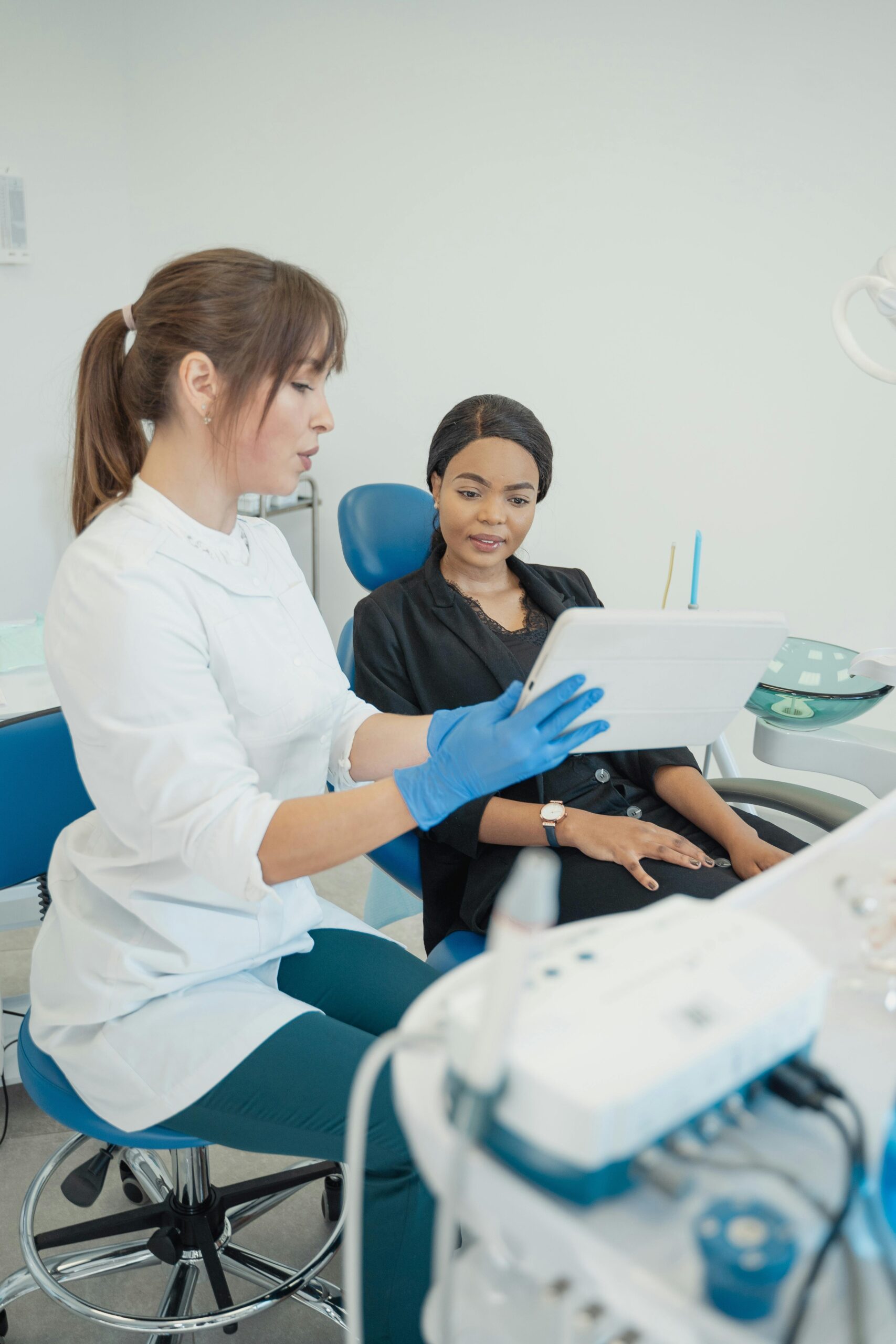
Dental implants are one of the most durable ways to replace missing teeth, but they also ask for a larger financial commitment up front than bridges or removable dentures. That gap between wanting the best long-term option and being able to pay for it right now is where many Bakersfield patients get stuck. I have seen the same pattern again and again. Someone finally decides they are tired of hiding their smile, chewing on one side, or dealing with a loose denture, then the treatment plan lands on the desk and momentum disappears.
The good news is that implant treatment is often more financeable than people expect, especially when you break the process into phases and understand how local practices usually structure payment. Financing dental implants is rarely about finding one magic program. It is more often a matter of combining insurance benefits, staged treatment, health-related savings accounts, third-party financing, and a realistic monthly plan that fits your household budget.
If you are researching Dental Implants Bakersfield CA, this guide will help you look at the money side with clear eyes. The goal is not simply to find the lowest sticker price. It is to understand what you are paying for, what flexibility you may have, and how to avoid agreeing to terms that look manageable today but create strain six months from now.
Why implant costs vary more than most patients expect
People often ask for a quick number, but implants are not one single product with one universal fee. The final cost depends on what your mouth needs before the implant is even placed. One person might need a straightforward single implant in healthy bone. Another may need an extraction, bone grafting, a sinus lift, temporary tooth replacement, and then the implant, abutment, and crown. Those are very different treatment paths.
Even within the same city, fees vary because practices differ in experience, technology, lab relationships, materials, and whether multiple parts of care are handled in one office or coordinated among specialists. An oral surgeon may place the implant and a restorative dentist may complete the crown. In other cases, a periodontist or a general dentist with implant training may handle most or all of the case. That affects both logistics and billing.
Bakersfield patients also run into another variable that does not get enough attention: timing. If a practice can place an implant immediately after extraction, the sequence may be shorter and sometimes less expensive than a delayed approach. But immediate placement is not right for everyone. Infection, bone loss, bite pressure, gum condition, and smoking history all matter. Financing should never push a patient into a faster protocol that is not clinically sound.
What you are actually paying for
When patients hear a quoted fee, many assume it covers everything from start to finish. Sometimes it does, but often it does not. A complete estimate should spell out each component. If it does not, ask. That one conversation can save a lot of confusion.
A full implant case may include:
- diagnostic imaging and exam, often with 3D CBCT imaging
- extraction of a failing tooth, if needed
- bone grafting or site preservation
- surgical placement of the implant fixture
- healing abutments or other surgical components
- the final abutment and implant crown
That does not mean every case will include every item. It means you should know whether your quote is truly global or whether some parts are expected to be billed later. I have seen patients believe they secured a bargain, only to learn that the graft or final crown was not included. A lower entry number is not always a lower total cost.
The first practical move, ask for a phased treatment estimate
This is one of the simplest and most useful things a patient can do. Instead of asking only for the total, ask the office to separate the treatment into phases and date ranges. For example, there may be a surgical phase now, a healing period of a few months, and a restorative phase later. When costs are broken down that way, the treatment becomes easier to plan for and less emotionally overwhelming.
A phased estimate helps in three ways. First, it tells you what needs to be paid immediately and what can wait until healing is complete. Second, it gives you the chance to coordinate dental insurance across calendar years. Third, it lets you compare financing options more intelligently because you know the size and timing of each payment rather than staring at one large number.
This matters a great deal for households in Bakersfield balancing mortgage or rent, car payments, childcare, and rising grocery costs. A family may not be able to write one check for a full implant case, but they may be perfectly able to handle a surgical deposit now and a restorative balance later.
Dental insurance can help, but usually not in the way people hope
Traditional dental insurance often contributes less to implants than patients expect. Some plans still exclude implants altogether. Others cover parts of the process, such as extractions, imaging, or the crown, while limiting or excluding the implant fixture itself. Annual maximums are another constraint. A plan with a $1,500 or $2,000 maximum can help, but it will rarely absorb the full cost of implant treatment.
Still, insurance should not be dismissed. The smartest use of insurance is often strategic timing. If your treatment can be divided across the end of one benefit year and the beginning of the next, you may be able to use two annual maximums. Suppose the extraction and graft happen in the fall and implant placement or restoration occurs after the new year. That structure can make a meaningful difference.
Preauthorization is worth the extra wait if your office offers it. It is not a guarantee of payment, but it gives you a clearer picture before you commit. If you have dual coverage through two plans, ask the office to explain coordination of benefits in plain language. Dental billing gets complicated quickly, and assumptions are expensive.
Health savings accounts and flexible spending accounts are often underused
For many employed patients, HSA or FSA funds are the cleanest way to soften the cost of dental implants. These accounts use pre-tax dollars, which effectively reduces the real cost of treatment. If you are in a moderate tax bracket, using pre-tax money can feel like receiving a meaningful discount compared with paying the same amount out of take-home income.
Timing matters here too. An FSA generally follows a use-it-within-the-plan-rules structure, while an HSA is usually more flexible and can accumulate over time. If your employer’s enrollment period is approaching and you know implant treatment is coming, this is the moment to plan. Many people think only about copays for routine care during benefits season and miss the chance to set aside funds for a major dental procedure.
A Bakersfield patient who knows a $4,000 to $7,000 implant phase is likely next year may choose a very different FSA election than someone expecting only cleanings and an occasional filling. It is not glamorous advice, but a ten-minute review of your benefits booklet can save real money.
Monthly payment plans through the dental office
Many dental offices offer internal payment arrangements, though the structure varies widely. Some require a deposit before surgery and split the remaining balance into a few payments. Others offer a more formal in-house plan for established patients. These arrangements can be attractive because they may carry lower fees than third-party financing, but they often come with stricter terms and shorter timelines.
What I tell patients is to look beyond the words “monthly payments available.” Ask whether interest applies, whether there are missed-payment penalties, whether the full balance must be paid before the final crown is delivered, and whether discounts for cash payment disappear if financing is used. Marketing language tends to highlight convenience, not details.
Office payment plans tend to work best for patients who need a short bridge, not a long runway. If you can comfortably clear the balance over a few months, they may be ideal. If you need a year or more, a structured financing company may be more realistic, provided you understand the terms.
Third-party financing, useful, but read every line
Third-party healthcare financing is common in implant dentistry. Companies in this space often promote deferred-interest plans or fixed monthly payments. For the right patient, this can turn a delayed treatment into one that starts now. For the wrong patient, it can become a costly burden.
The biggest trap is deferred interest. These plans may advertise no interest if paid within a certain period. That can be a good deal if you are confident the balance will be cleared on time. If not, the accumulated interest may be added back in a way that makes the treatment significantly more expensive. I have seen patients focus only on the initial monthly payment and overlook the total cost if they run past the promotional window.
Fixed-rate installment plans are often easier to evaluate because the payment and total repayment are more transparent. The rate you qualify for will depend on credit, the lender, and current market conditions. It is worth applying carefully and comparing offers, but do not open multiple financing accounts casually. Too many applications in a short time can create its own problems.
When staged treatment makes financing easier
Not every missing tooth has to be replaced all at once. If you need more than one implant, staged treatment can reduce financial pressure while still moving toward a stable long-term result. A patient may replace the tooth that matters most for chewing or appearance first, then schedule the next phase after rebuilding savings or after a new benefit year begins.
Staging also gives the mouth time to heal and lets the clinician assess how tissues respond. That can be especially helpful when bone quality is borderline or when periodontal health needs improvement first. The key is making sure the staged plan is intentional, not just reactive. Delays that are part of a strategy are very different from delays caused by financing panic.
There are trade-offs. Spreading treatment out may increase total time, and in some cases delaying too long can allow neighboring teeth to drift or bite issues to worsen. This is where good treatment planning matters. A financially realistic plan should still protect the biology and function of the case.
Low price versus good value in Bakersfield
Bakersfield has a wide range of dental fees, and patients naturally compare prices. There is nothing wrong with shopping carefully. In fact, for a procedure involving surgery, lab work, and a restoration expected to last years, thoughtful comparison is wise. But value is not the same as the lowest advertisement.
A very low implant quote may reflect a limited package, a different implant system, outsourced steps, or the absence of important diagnostics. It may also be perfectly legitimate. You cannot know which without asking direct questions. Price should be interpreted alongside training, case complexity, warranty policies, and what is included if complications arise.
One practical example: if one office quotes less but refers you elsewhere for grafting, imaging, or the final crown, your total outlay may end up higher than a more comprehensive plan at another office. On the other hand, a specialist-based approach can be worth every dollar for difficult anatomy or advanced bone loss. The point is not that specialist care is always better or more expensive. The point is that comparison only works when you compare complete pathways, not headlines.
Questions worth asking before you commit
Most financing problems begin with assumptions. Patients assume the quote includes the crown. Offices assume patients understand promotional financing. Insurance estimates are treated like guarantees when they are not. A few direct questions can clear up most of this before any deposit changes hands.
- Is this estimate for the entire implant case, or only one phase?
- What happens financially if I need a bone graft or another added procedure?
- Which parts might be billed by another provider or outside lab?
- If I use financing, what is the total cost over the full repayment term?
- Are there discounts for paying certain portions up front?
That short conversation can tell you a great deal about how transparent the office is. Clear answers usually signal an organized team. Evasive answers usually predict billing stress later.
Credit, budgeting, and the monthly number that actually matters
Patients often ask, “What will the monthly payment be?” That is a fair question, but the better question is, “What monthly payment can I carry without gambling on a better month later?” Implant financing works best when the payment fits comfortably inside the budget you already live on, not the optimistic budget you hope to have after overtime, tax refunds, or seasonal bonuses.
For some Bakersfield households, that means delaying a few months to build a stronger down payment and shrink the financed amount. There is no shame in that. A modest delay can save hundreds or even thousands in interest. For others, especially if infection, pain, or visible tooth loss is affecting work and daily life, starting sooner may be more important. The decision is personal, but it should be made soberly.
A practical budgeting approach is to look at the treatment estimate alongside the next six months of real expenses, not idealized ones. Include everything that tends to blow holes in a budget, school fees, car repairs, utility spikes in hot months, and holiday spending. If the proposed payment still feels manageable after that exercise, it is probably realistic. If it only works on paper by assuming no surprises, keep adjusting.
Special situations that change the financing conversation
Single-tooth implants are one thing. Full-arch work, implant-supported dentures, or cases involving multiple failing teeth are another. Larger cases often require more sophisticated planning and higher costs, but they also sometimes open the door to more flexible sequencing and package pricing. In those cases, a comprehensive consultation is even more important because there may be several clinically acceptable paths with very different financial implications.
Age also matters, though not in the simplistic way people think. Older adults on fixed incomes may have stronger savings discipline and lower debt, making them excellent candidates for short-term financing or planned cash payment. Younger patients may have tighter cash flow but more years to benefit from a stable long-term restoration. I have seen both groups make very smart decisions when the plan matched their reality.
Then there are the patients who need implants after trauma, severe decay, or years of postponing care because money was tight. These cases can carry some emotional weight. Financing conversations are easier when the office recognizes that and avoids pressure. Good care is not just about offering a credit application. It is about helping someone understand the road ahead without embarrassment.
What a good dental office should do for you
When you are evaluating providers for Dental Implants Bakersfield CA, pay attention not only to surgical credentials and reviews, but to how clearly the office explains money. A strong implant practice usually has a treatment coordinator or financial coordinator who can walk you through the estimate, insurance timing, financing options, and likely out-of-pocket ranges without rushing.
That person should be able to explain what is known, what is estimated, and what could change. They should also be willing to separate urgent treatment from elective timing. If a case needs disease control, extraction, or grafting first, that should be made clear. You should never feel pushed into financing the biggest version of treatment before understanding whether a more measured path exists.
The best financial conversations in dentistry feel calm and specific. They leave you informed, not cornered. If you leave an implant consultation knowing the clinical plan but still feeling foggy on costs and timing, ask for clarification before you schedule.
A sensible path forward
Financing dental implants is rarely about finding a perfect answer. It is about building a workable one. Start with a detailed diagnosis and a written phased estimate. Verify what insurance may contribute and whether treatment can span benefit years. Review your HSA or FSA options. Compare office payment plans with third-party financing, and calculate the full repayment cost, not just the teaser payment. If the treatment is extensive, ask whether staging is clinically reasonable.
Patients often feel relief once the big number becomes a sequence of smaller, understandable decisions. That relief matters. It turns implants from an abstract luxury into a practical project with steps, timing, and trade-offs you can evaluate like any other important investment in your health.
For many people in Bakersfield, the right question is not whether implants are cheap. They are https://landentiog830.moderncairn.com/posts/why-residents-trust-dental-implants-bakersfield-ca-services not. The right question is whether there is a responsible way to pay for treatment that restores chewing, confidence, and oral stability without creating financial chaos. In many cases, the answer is yes, provided you slow the process down enough to understand both the dentistry and the dollars.
Smyle Dental Bakersfield
2016 E St, Bakersfield, CA 93301, United States
+16614939040
FAQ About Dental Implants Bakersfield CA
What is the downside of a dental implant?
The main downsides of dental implants involve high financial costs, surgical risks, a lengthy healing process, and the potential for long-term complications.
How much does a full set of implants usually cost?
A full set of dental implants (covering both the upper and lower arches) typically ranges from $6,000 to $90,000+, depending heavily on the type of treatment, materials used, and whether the teeth are fixed or removable.
Can I have all my teeth pulled and get implants?
Yes, you can have all your teeth pulled and replaced with dental implants. Instead of placing a separate implant for every single tooth (which is costly and time-consuming), dentists typically use full-arch systems.