Wisdom Teeth Removal Oxnard CA: Personalized Care for Every Smile
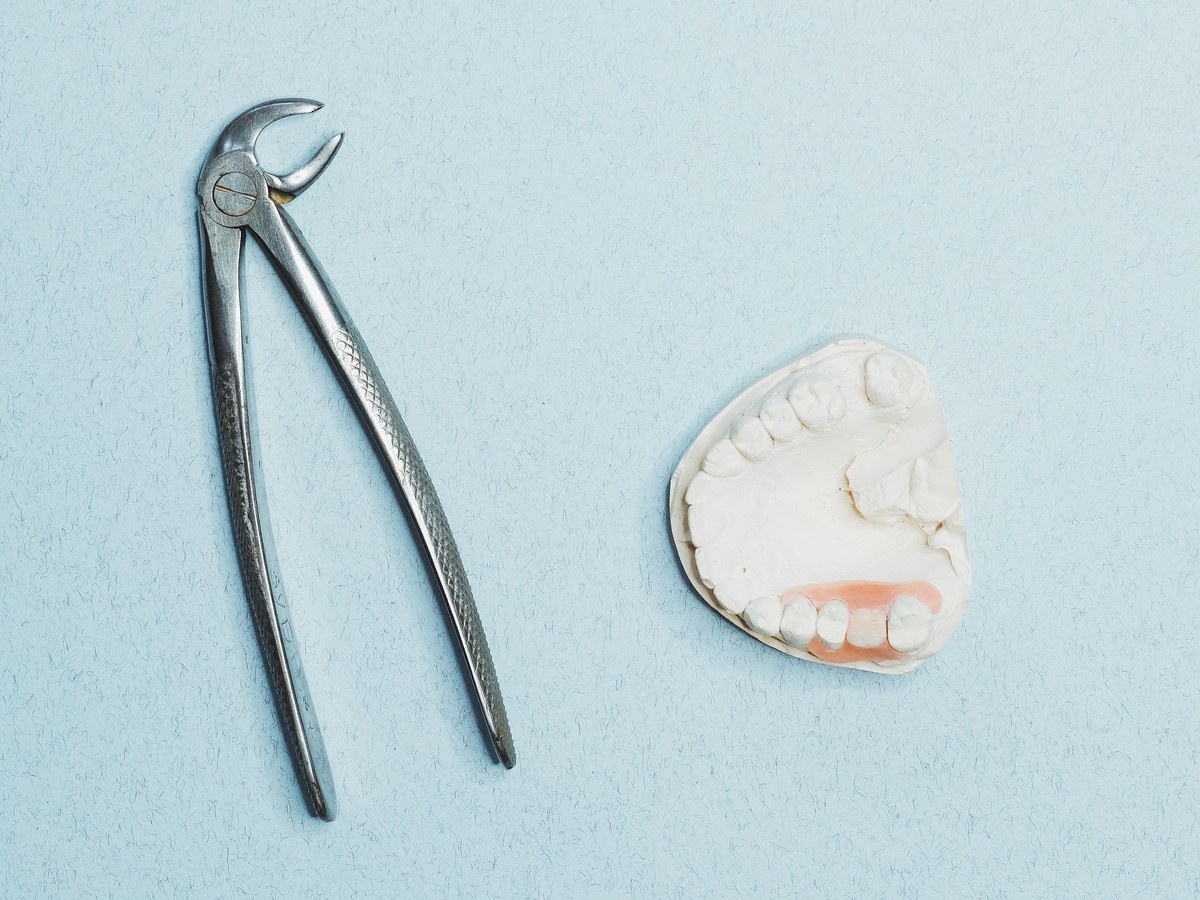
Wisdom teeth have a way of arriving with very little subtlety. For some people, they slip in quietly during the late teens or early twenties and never cause trouble. For many others, they bring pressure, swelling, crowding, jaw soreness, food traps, or the kind of back-of-the-mouth ache that seems to show up at the worst possible time. When patients start looking into Wisdom Teeth Removal Oxnard CA, they are usually not searching for a generic procedure. They want answers that fit their age, their dental history, their schedule, and their comfort level.
That distinction matters. Wisdom tooth removal is common, but it is never one-size-fits-all. A high school senior with developing roots, a working adult with partially erupted teeth, and a parent in their thirties dealing with recurrent gum infections may all need treatment, yet the planning can look very different in each case. The best care is thoughtful care, built around anatomy, timing, and the person sitting in the chair.
Why wisdom teeth so often become a problem
Third molars, commonly called wisdom teeth, are the last permanent teeth to develop. By the time they begin to emerge, the mouth may simply not have enough room to accommodate them. That mismatch between tooth size and available space is what drives so many problems. A wisdom tooth may remain trapped under the gums, push against the tooth in front of it, erupt only halfway, or angle sideways rather than upward.
Partially erupted wisdom teeth deserve special attention because they create one of the most frustrating patterns seen in practice. A small flap of gum can cover part of the tooth, allowing food debris and bacteria to collect in a place that is difficult to clean. Patients often describe tenderness when chewing, a bad taste, swelling near the back molar, or stiffness when opening the mouth wide. Sometimes symptoms improve for a while, then return a few months later. That cycle often leads people to finally schedule an evaluation.
There is also the issue of silent damage. Not every problematic wisdom tooth hurts right away. Some are discovered on routine X-rays, where the angle of eruption or the contact against the second molar suggests future trouble. In those cases, waiting may be reasonable, or it may increase the complexity of treatment later. Good judgment is what separates necessary monitoring from avoidable delay.
Personalized care starts with the evaluation, not the extraction
One of the biggest misconceptions about wisdom teeth is that every patient is automatically sent straight to surgery. In reality, a careful evaluation comes first. The clinician looks at symptoms, oral hygiene access, bite function, gum health, and imaging. Panoramic X-rays are often used to show the position of the roots, the angle of the teeth, and the relationship to nearby structures. In some cases, especially when the roots appear close to the lower nerve, three-dimensional imaging may be recommended to clarify the anatomy.
That planning stage is where personalized care truly begins. A patient with all four wisdom teeth fully erupted and easy to reach may have a relatively straightforward appointment. Another patient may have deeply impacted lower teeth near the mandibular nerve, which calls for a more measured conversation about risk, timing, and surgical technique. Some patients benefit from having all indicated wisdom teeth removed in one visit. Others may be better served by staging treatment, especially if there are medical considerations or competing life demands.
Age can influence the decision, but it should not dominate it. Younger patients often heal faster, and roots may be less fully formed, which can make removal simpler. Still, many adults do very well with treatment when the plan is thoughtful and expectations are clear. What matters is not a blanket rule. It is whether the teeth are healthy, maintainable, symptom-free, and unlikely to harm surrounding tissues.
Not every wisdom tooth needs to come out
This is an area where nuance matters. Wisdom teeth are often removed because they are impacted, infected, decayed, difficult to clean, or damaging adjacent teeth. Yet there are also patients whose wisdom teeth are fully erupted, functional, easy to clean, and stable over time. In those cases, monitoring may be entirely appropriate.
A sound recommendation balances present findings with likely future outcomes. If a tooth has a history of repeated inflammation, if decay is developing where a toothbrush or floss cannot reliably reach, or https://www.google.com/maps?cid=11644345336093784457 if the adjacent second molar is at risk, extraction often makes practical sense. If none of those concerns are present, a conservative approach may be reasonable. Patients appreciate honesty here. They can usually tell the difference between a personalized recommendation and a reflexive one.
For people searching for Wisdom Teeth Removal Oxnard CA, this is often reassuring to hear. A consultation should not feel like a conveyor belt. It should feel like a conversation grounded in clinical evidence and tailored to the individual.
What makes one case simple and another more complex
Patients often ask why a friend had wisdom teeth out on a Friday and felt fine by Monday, while another needed a longer recovery and more follow-up. The answer usually comes down to anatomy and inflammation.
A fully erupted upper wisdom tooth with straight roots can be quite straightforward. A lower tooth that sits sideways under bone and presses against the second molar is a different story. Bone density, root shape, degree of impaction, current infection, age, jaw opening, and proximity to the lower nerve all influence the procedure. So does the condition of the surrounding gum tissue. Inflamed tissue bleeds more easily and can make the area less comfortable before treatment even begins.
There is also the human side. Some patients are calm and eager to proceed under local anesthesia. Others have strong dental anxiety, a sensitive gag reflex, or previous medical experiences that make sedation a better fit. That is not a sign of weakness. It is part of planning care that a patient can actually get through comfortably and safely.
Comfort options should fit the person, not the schedule
One mark of good oral surgery care is taking enough time to discuss anesthesia and sedation without rushing. Some wisdom teeth can be removed with local anesthetic alone, particularly when the teeth are erupted and access is direct. Many patients do well with this approach and appreciate being awake, numb, and able to recover quickly.
Others prefer a deeper level of relaxation. Nitrous oxide can reduce anxiety for certain patients. Oral sedation may help those who feel tense before treatment. IV sedation is commonly chosen for impacted teeth, longer procedures, or patients who want little memory of the appointment. The right choice depends on the complexity of the case, the patient’s medical history, transportation arrangements, and personal comfort.
A professional team does not treat sedation as a sales feature. They treat it as a clinical tool. That difference shows in the questions they ask, the safety protocols they follow, and the way they explain what the day will actually feel like.
The procedure itself, in plain language
Most patients feel more at ease once they understand the basics. After the area is anesthetized, the surgeon creates access to the tooth. If the tooth is impacted, the gum tissue may be gently opened and a small amount of bone may be removed to expose it. In many cases, the tooth is sectioned into smaller pieces so it can be removed with less pressure on the jaw. The site is then cleaned, and depending on the situation, sutures may be placed to support healing.
That description sounds more dramatic on paper than it feels when proper anesthesia or sedation is used. During the appointment, pressure is normal. Sharp pain is not. A well-managed procedure focuses on control, visibility, and minimizing trauma to the surrounding tissue. Those details matter because gentler technique often supports a smoother recovery.
Time in the chair can vary. A straightforward erupted tooth may take only minutes. Multiple impacted teeth naturally take longer. It is better for a practice to give a realistic time range than an unrealistically short promise. Patients plan rides, time off work, school obligations, childcare, and meals around these appointments. Clear communication makes the whole experience easier.
Recovery is where patients notice the quality of planning
The first few days after wisdom tooth removal are not glamorous, but they are usually manageable when patients know what to expect. Swelling often peaks around the second or third day. Mild bleeding or oozing is common early on. Jaw stiffness is also typical, especially after lower impacted teeth are removed. Most people can return to light daily activity fairly quickly, though strenuous exercise usually needs to wait.
The difference between a rough recovery and a smoother one often comes down to preparation and follow-through. Patients do better when they receive specific instructions, realistic timelines, and responsive support if questions come up over the weekend or after office hours.
A few practical recovery priorities matter more than any internet tip:
- Keep steady pressure on gauze as directed during the first phase of healing.
- Stay hydrated and choose soft foods that do not require vigorous chewing.
- Avoid smoking, straws, and forceful rinsing early on, since suction can disturb the clot.
- Use prescribed or recommended medications exactly as instructed.
- Rest with the head slightly elevated and use cold packs during the first day.
Those are simple steps, but they are effective. In practice, the patients who struggle most are often the ones who try to jump back into normal eating, gym sessions, or demanding errands too soon.
Dry socket, swelling, and other concerns patients ask about
Dry socket is one of the most common worries associated with wisdom tooth removal, and for good reason. It can be painful. It happens when the blood clot that protects the extraction site is lost too early or does not develop properly, exposing sensitive underlying bone. Smoking, vigorous rinsing, straw use, and certain healing conditions can increase the risk.
The good news is that dry socket is treatable, and not every post-extraction ache means it is happening. Normal soreness usually improves gradually. Dry socket pain often becomes more intense a few days after the procedure rather than less. It may radiate toward the ear or jaw and can be accompanied by an unpleasant taste or odor. When patients call with that pattern, they should be seen rather than reassured from a distance.
Swelling and bruising vary widely. Some patients look nearly unchanged the next day. Others develop visible fullness in the cheeks, especially after lower impactions. This can be alarming if no one prepared them for it. Clear pre-op counseling helps patients recognize what is expected and what is not. Fever, worsening swelling after several days, difficulty swallowing, or uncontrolled bleeding call for prompt professional advice.
Temporary numbness deserves mention as well. Lower wisdom teeth sit near an important sensory nerve. In certain cases, especially when roots are close to that nerve, there is a risk of altered sensation in the lip, chin, or tongue. Most changes, when they occur, are temporary, but the risk should be discussed honestly beforehand. Patients generally handle risk conversations well when they are specific, calm, and tied to their imaging findings.
Timing matters more than many people realize
People often wait until wisdom teeth become acutely painful before scheduling care. Sometimes that is unavoidable. Life gets busy, symptoms come and go, and back molar discomfort can be easy to downplay. Still, earlier evaluation often creates more options.
A patient whose roots are still developing may have a technically easier extraction and a faster recovery. A patient who waits through repeated infections may arrive with inflamed tissue, limited jaw opening, and a more difficult postoperative course. There is also the issue of second molar damage. When a wisdom tooth leans forward and traps bacteria against the tooth in front of it, decay or bone loss can develop in a place that is expensive and frustrating to treat later.
That does not mean everyone should remove wisdom teeth at the first sign of eruption. It means timing should be intentional. If you are monitoring them, monitor them actively. If they are creating a pattern of trouble, deal with them before the next flare-up chooses the date for you.
The value of local, individualized care in Oxnard
When patients search for Wisdom Teeth Removal Oxnard CA, location is part of convenience, but it is also part of continuity. Having care close to home makes consultations easier to schedule, simplifies pre-op imaging and follow-up, and reduces the stress of traveling while sore or sedated. It also matters when questions come up after the procedure. Easy access to the treating office can be surprisingly important on day three of recovery when swelling looks worse than expected or a site suddenly becomes more painful.
Local care also tends to support a more personal understanding of the patient. Families often return with siblings, college students come in on school breaks, and adults balancing work and caregiving responsibilities appreciate treatment plans built around real schedules rather than ideal ones. That is what personalized care looks like outside of marketing language. It is not only about technology or credentials. It is about paying attention to how treatment fits into someone’s life.
What patients should ask at the consultation
A useful consultation leaves the patient with fewer unknowns, not more. The best questions are practical ones. Ask whether each wisdom tooth actually needs removal or whether monitoring is reasonable. Ask how difficult your case appears on imaging. Ask what type of anesthesia or sedation fits the findings and your comfort level. Ask about expected downtime, diet, exercise restrictions, and who to contact after hours if something feels off.
Patients also benefit from understanding trade-offs. Removing all indicated wisdom teeth in one visit may be more efficient and may spare you a second recovery period. On the other hand, if one area is especially complex or if there are medical considerations, staging treatment might make more sense. There is no universal answer. Good care is often about choosing the most sensible option among several acceptable ones.
Here are five questions worth bringing to the appointment:
- Are my wisdom teeth impacted, partially erupted, or fully erupted?
- Is there evidence they are harming the neighboring teeth or gums?
- What type of anesthesia or sedation do you recommend for my case, and why?
- How many days of downtime should I realistically plan for?
- What symptoms after surgery would mean I should call right away?
Those questions tend to open the door to a more useful conversation than simply asking, “Do they need to come out?”
A better patient experience depends on details
The technical side of oral surgery matters, but so do the small details that shape the patient experience. Clear pre-op instructions prevent last-minute confusion. A well-organized consent discussion reduces anxiety. Taking time to explain why one lower tooth is higher risk than the others builds trust. Checking in after surgery, especially for complex cases, can make patients feel looked after rather than processed.
This is especially important for teenagers and young adults having their first surgical procedure. Parents often focus on the logistics, but the patient may be quietly worried about needles, sedation, swelling, or missing classes and social events. Adults are not immune to the same concerns, they just phrase them differently. Some worry about returning to work on camera. Others are anxious about pain medication, prior fainting episodes, or managing recovery while caring for children.
Professional care makes room for those concerns without dramatizing them. That balance is part clinical skill, part communication, and it is one of the clearest signs that treatment is truly personalized.
Every smile has its own story
Wisdom tooth treatment sits at the intersection of anatomy, timing, comfort, and judgment. Two patients may arrive with the same complaint and need very different plans. One may need prompt removal of all four wisdom teeth under IV sedation. Another may only need one problematic lower tooth addressed. A third may not need surgery at all, just periodic monitoring and better access for hygiene.
That is why the phrase Wisdom Teeth Removal Oxnard CA means more than a procedure code or a search term. For patients, it usually represents a decision they want to make carefully. They want relief, safety, and an honest recommendation. They want a team that sees more than an X-ray. They want care that respects the details, because those details shape both the experience and the outcome.
When wisdom teeth are evaluated thoughtfully and treated with precision, patients usually come away saying the process was easier than they expected. That is not luck. It is what happens when the plan is built around the individual, from the first consultation to the final follow-up.
Oxnard Dentistry
1730 E Gonzales Rd
Oxnard, CA 93036, United States
Phone: +1 805-307-8731
FAQ About Wisdom Teeth Removal Oxnard CA
How much does it cost to get wisdom teeth removed in California?
Fees depend on tooth position, the number of extractions, imaging and anesthesia. Oxnard Dentistry can provide an individual estimate after examining your teeth. Ask for an itemized plan and confirm insurance benefits before scheduling.
Will insurance cover wisdom teeth removal?
Coverage and out-of-pocket costs vary by policy and the treatment required. Ask the dental office and your insurer to verify benefits, annual limits and any authorization requirements. A benefit estimate does not guarantee payment.
Is 30 too old to have wisdom teeth removed?
Age alone does not determine whether extraction is appropriate. A dentist evaluates symptoms, tooth position, oral health and medical history. Healthy, functional wisdom teeth may be monitored; teeth causing disease or other problems may need treatment.